


Anthropic Surpasses OpenAI with $1 Trillion Valuation
In the dynamic world of artificial intelligence, Anthropic has recently made headlines by surpassing OpenAI with a staggering $1 trillion valuation on secondary markets. This milestone not only marks a significant achievement for Anthropic but also signals potential shifts in the tech investment landscape. In this article, we'll explore the implications of this valuation, how it aligns with MarketVibe's metrics, and what it means for traders and investors.
Valuation Insights
Anthropic's rise to a $1 trillion valuation reflects its rapid growth and increasing investor interest. This valuation is driven by a race among buyers to secure shares in the company, highlighting Anthropic's perceived potential in the AI sector. Comparing this growth with OpenAI, which has been a frontrunner in AI development, underscores the competitive dynamics within the industry.
Why Traders Should Care
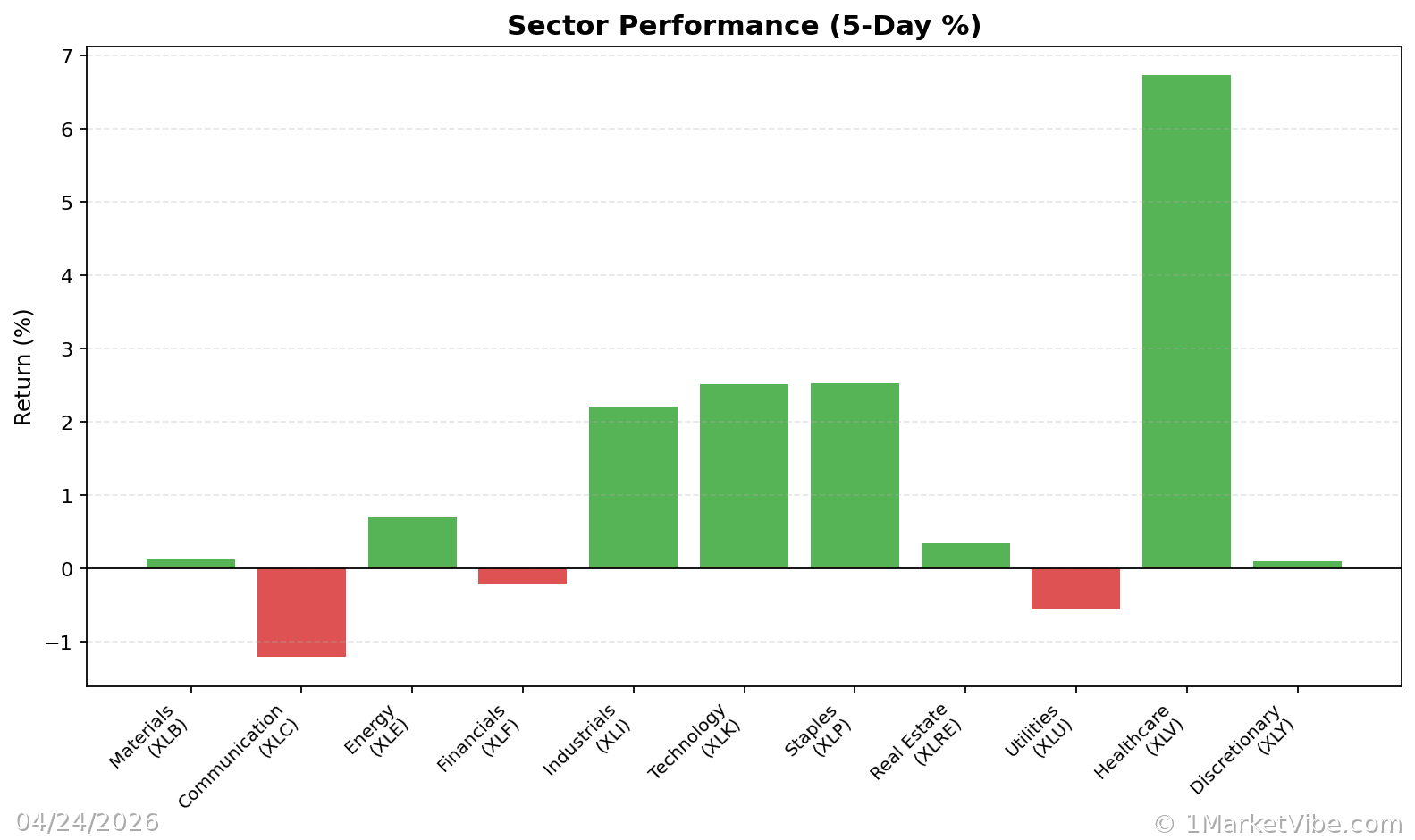
Understanding such valuation shifts is crucial for traders as it informs decisions about sector allocation and risk management. A company reaching a $1 trillion valuation can influence market sentiment, sector rotations, and investment strategies. Traders need to be aware of these dynamics to adjust their portfolios accordingly, especially in tech-heavy markets.
How MarketVibe Metrics Illuminate the Situation
Crash Warning Index (CWI)
The Crash Warning Index (CWI) is a composite metric that assesses market risk by analyzing breadth, volatility, and defensive behavior. Currently, the CWI stands at 4.7, suggesting a moderate risk environment. This level indicates that while the market isn't in immediate danger, traders should remain vigilant, especially with significant valuation changes in tech sectors.
% Above 50-DMA
The % Above 50-DMA measures the percentage of stocks trading above their 50-day moving average, providing insight into market breadth and trend health. A high percentage indicates strong market breadth, while a low percentage suggests potential weakness. In the context of Anthropic's valuation, a strong % Above 50-DMA in the tech sector could signal robust investor confidence.
ATR% and Volatility
ATR% (Average True Range as a percentage of price) is a volatility metric that helps traders understand market stability. High ATR% values often correspond to volatile, unstable phases, while low values indicate quieter, trending markets. With Anthropic's valuation surge, monitoring ATR% can help traders gauge whether the market is entering a more volatile phase.
Interpretation of Market Conditions
Current Market Regime
- CWI at 4.7: Indicates moderate risk, suggesting traders should be cautious but not overly defensive.
- Strong % Above 50-DMA: If observed, it would imply a healthy trend in the tech sector, supporting risk-taking in this area.
- ATR% Trends: Rising ATR% could signal increased volatility, prompting traders to adjust their risk exposure.
Common Combinations
- Strong Breadth + Low Volatility: Ideal for taking calculated risks, especially in sectors showing leadership.
- Weak Breadth + Rising Volatility: Calls for a defensive posture, reducing exposure to high-risk assets.
Real-World Scenarios
Scenario 1: Topping Environment
Imagine a scenario where the tech index continues to rise, but the % Above 50-DMA starts to decline. This divergence could indicate a topping environment, where fewer stocks are driving the index higher. Traders might feel tempted to chase the rally, but a more informed approach would be to reduce exposure and prepare for potential corrections.
Scenario 2: Bull Leg Surge
In a strong bull leg, the % Above 50-DMA might surge and remain elevated, reflecting broad participation in the rally. In this case, traders could consider increasing exposure, provided their setups align with the broader market trend.
Scenario 3: Volatility Spike
A sudden jump in ATR% could signal a volatility spike, often accompanied by heightened market uncertainty. Traders might react by reducing positions or implementing hedging strategies to protect against downside risk.
Incorporating Insights into a Trading Process
Practical Guidelines
- When Breadth is Weak and CWI is High: Emphasize defensive strategies and reduce new risk exposure.
- When Breadth and Leadership Broaden: Be open to adding exposure, but ensure setups align with market conditions.
- Use Market Dashboard: Leverage the Decision Edge dashboard to label the market regime and confirm internal metrics before making decisions.
Common Misuses & Misconceptions
Treating Metrics as Stand-Alone Signals: Metrics like CWI and % Above 50-DMA should guide risk posture, not serve as entry signals. Always consider the broader market context.
Ignoring Sector Rotation: Focusing solely on overall market metrics without considering sector-specific dynamics can lead to misinformed decisions.
Overreacting to One-Day Changes: Markets are dynamic, and single-day metric changes should not dictate strategy shifts. Look for sustained trends.
Neglecting Volatility Context: High ATR% requires different strategies than low ATR% environments. Adjust risk management accordingly.
Overconfidence in High Valuations: A high company valuation doesn't guarantee future performance. Maintain a balanced view of risk and opportunity.
To see these breadth and risk metrics in one place each day, you can use the Decision Edge dashboard at 1marketvibe.com.
Disclaimer: This article is for informational purposes only and does not constitute investment advice. Always conduct your own research before making investment decisions.