Ten Coaching Strategies for Lasting Success
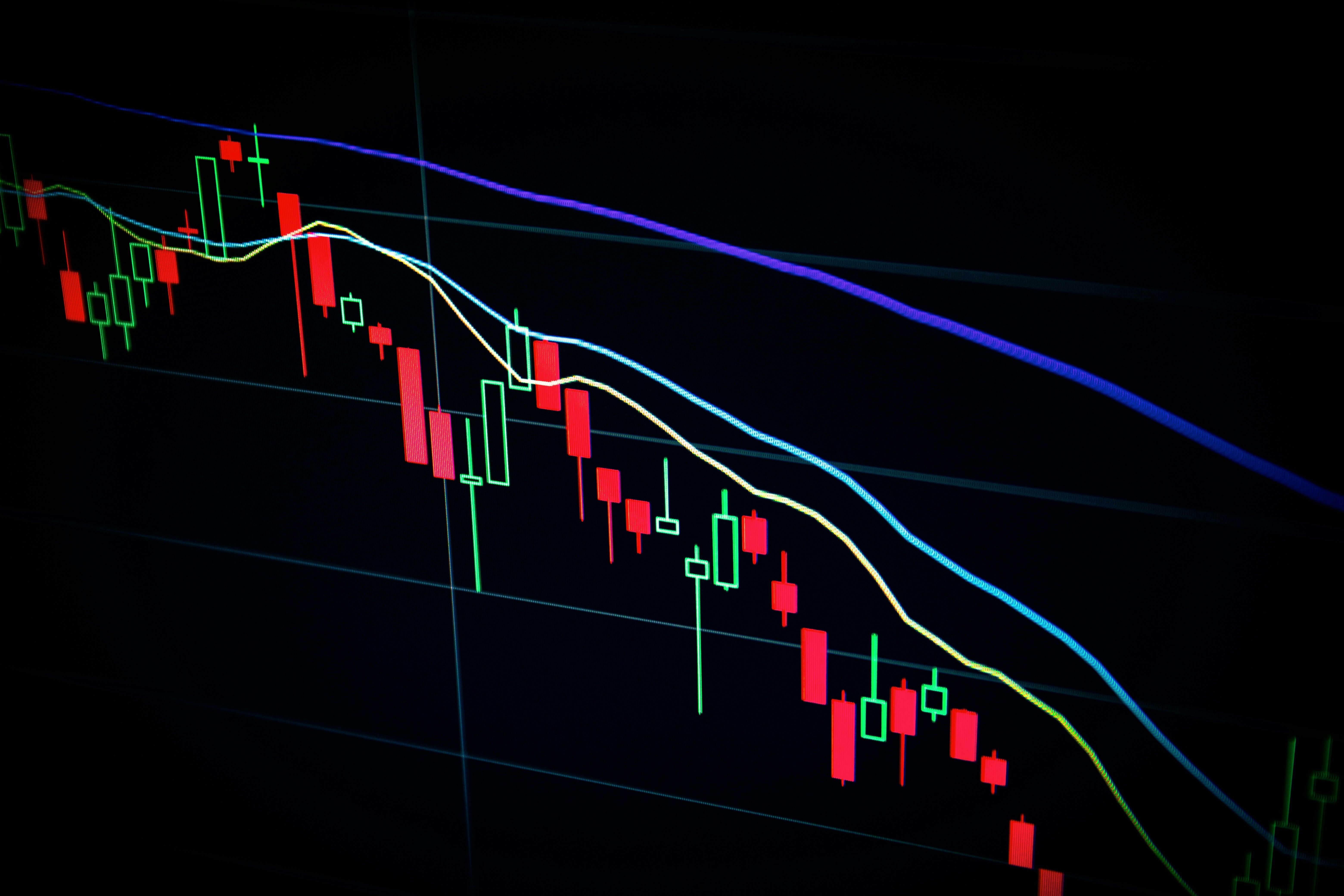
Trading can feel like a rollercoaster of emotions. One moment, you're riding high on a successful trade, and the next, you're grappling with the sting of a loss. It's completely normal to feel overwhelmed, anxious, or even frustrated. Most traders run into these emotional hurdles at some point. Especially during times when the market climate is in a Warning or At-Risk phase, like when the Crash Warning Index (CWI) is elevated, the pressure can feel even more intense.
Why This Happens – Behavioral Psychology
Understanding why these feelings arise can be empowering. Our brains are wired to seek certainty and avoid loss. This is known as loss aversion—the pain of losing is psychologically twice as powerful as the pleasure of gaining. When you see a stock surge without you, fear of missing out (FOMO) kicks in, urging you to chase it. There's also recency bias, where recent experiences disproportionately influence our decisions, making us overly cautious or aggressive based on the last trade. Remember, these reactions are not about a lack of intelligence but rather how our brains handle risk and uncertainty.
Mindset Shifts – Reframing the Pattern
"Your job is not to catch every move — it's to execute a repeatable process."
Focus on developing and sticking to a consistent trading strategy. For example, if a stock moves without you, remind yourself that your strategy is designed for long-term success, not short-term wins."A small, controlled loss is tuition; an unmanaged loss is a tax on emotion."
Accept that losses are part of trading. If a trade doesn't go your way, view it as a learning opportunity. Use tools like the Decision Edge Dashboard to ground your decisions in objective data rather than emotions."Missing a trade is neutral; chasing one out of FOMO is negative."
Missing a trade doesn't affect your portfolio, but chasing it can lead to impulsive decisions. Use the Daily Edge execution panel to pre-define your action zones, helping you commit to a plan before emotions take over.
Practical Tools – What to Do Today
Pre-Market Reflection Routine: Spend 5 minutes each morning reviewing your trading plan and setting intentions for the day. Ask yourself: "What is my goal for today?" and "How will I handle unexpected market moves?"
Breathing Protocol: Before entering or exiting a trade, take three deep breaths to center yourself. This simple act can help reduce impulsive decisions.
Structured Journaling Prompts: After each trading day, reflect on these questions:
- What went well today?
- What could I improve?
- How did I manage my emotions during trades?
Rules for Trading Discipline:
- "No adjusting stops during the first 15 minutes after entry."
- "If CWI is elevated, pre-decide reduced position size to protect your emotions."
Using Daily Edge to Reduce FOMO: Define your Buy/Sell intent and set Price Low/High as today's action range. Use Notes to remind yourself of conditions like "only act if above 50-DMA."
Coaching Card – Short Anchor Message
"Pause, breathe, and return to your plan — not your feelings."
Common Pitfalls & How to Catch Yourself
Chasing Trades:
Feeling: Urgency to jump into a trade that's moving fast.
Catch & Reset: Remind yourself of your pre-defined action zones on the Daily Edge panel.Overreacting to Losses:
Feeling: Frustration and the urge to immediately recover losses.
Catch & Reset: Take a step back and review your trading journal to learn from the experience.Ignoring Your Plan:
Feeling: Temptation to deviate from your strategy due to market noise.
Catch & Reset: Use the Decision Edge Dashboard to refocus on objective data.Emotional Trading:
Feeling: Making decisions based on fear or greed.
Catch & Reset: Implement a breathing protocol before making any trade decisions.Neglecting Self-Care:
Feeling: Burnout from constant market monitoring.
Catch & Reset: Schedule regular breaks and ensure you have downtime away from screens.
Trading is as much about managing your mindset as it is about analyzing the markets. By integrating these strategies into your routine, you can cultivate a more resilient and disciplined approach to trading. You can try these features in your own dashboard by logging into MarketVibe at 1marketvibe.com—and let us know what you’d like to see next.
Disclaimer: This article is for educational purposes only and does not constitute financial advice. Please consult with a financial advisor for personalized guidance.